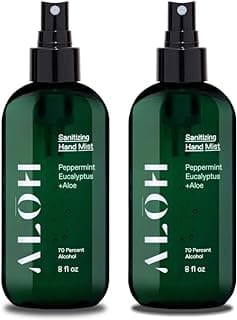
Rethinking Hygiene: The Rise of Alcohol-Based Hand Sanitizers
Amidst heightened awareness of hygiene, alcohol-based hand sanitizers have become indispensable in daily routines. These sanitation solutions offer an efficient way to maintain cleanliness, particularly in settings where soap and water are not readily available.
Key Points
- Effective Germ Killing: Alcohol-based hand sanitizers with at least 60% alcohol can quickly reduce the number of microbes on hands, making them an effective defense against various germs and pathogens.
- Convenience: Portable and easy to use, these sanitizers allow consumers to maintain hand hygiene on the go, which is critical for preventing the spread of infectious diseases.
What's Happening
Public health guidelines have underscored the importance of hand hygiene in curtailing the transmission of illnesses such as COVID-19. As communities balance reopening efforts and personal safety, alcohol-based hand sanitizers have become essential in educational institutions, workplaces, and public transportation systems.
- Increased Production: Manufacturers have ramped up production to meet rising demand, ensuring that supplies are widely accessible.
- Variety of Formats: Hand sanitizers are available in multiple formats, from pocket-sized bottles to larger dispensers suited for hospitals and schools.
Why It Matters
- Public Health: Regular use of hand sanitizers contributes significantly to community health by minimizing cross-contamination.
- Cost-Effective Preventive Measure: When integrated into regular hygiene practices, these sanitizers offer a cost-effective strategy to enhance personal and public well-being.
In conclusion, as the need for effective hygiene solutions grows, alcohol-based hand sanitizers stand out as a vital tool in the fight against the spread of infectious diseases. Prioritizing their use empowers individuals and communities to safeguard health effectively and conveniently.