Netanyahu's Prostate Cancer Diagnosis: What We Know and What It Means
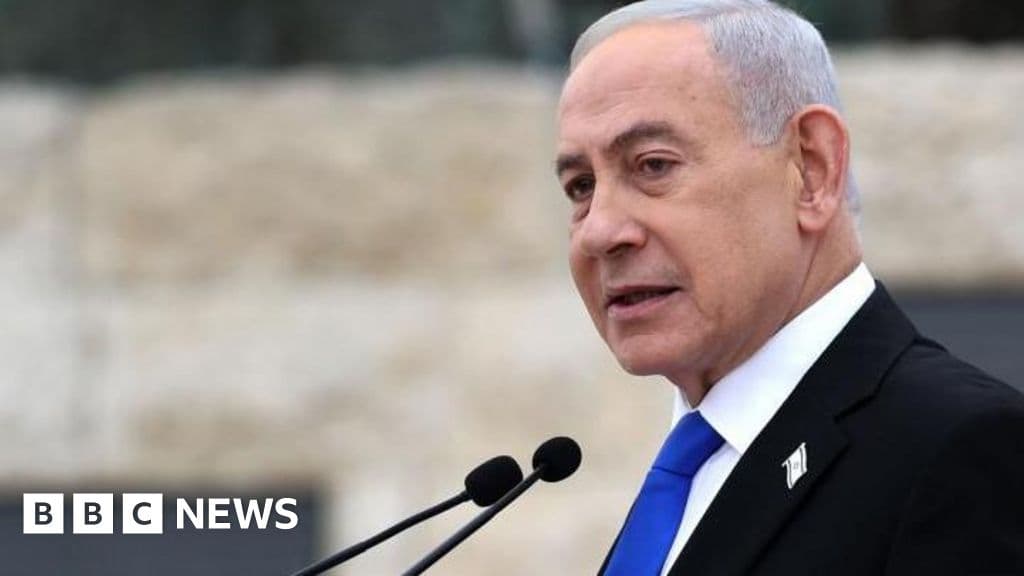
Israeli Prime Minister Benjamin Netanyahu, 75, has been diagnosed with early-stage prostate cancer and is currently receiving treatment. His office confirmed the diagnosis after a routine checkup, and doctors describe the prognosis as favorable—but the news lands during one of the most turbulent periods in Israeli political and military history.
What We Know About the Diagnosis
- Early-stage detection: Netanyahu's cancer was caught early, which significantly improves treatment outcomes. Prostate cancer detected at an early stage has a near-100% five-year survival rate.
- Treatment underway: His medical team has begun treatment, though Israeli officials have not specified whether that involves surgery, radiation, hormone therapy, or active surveillance—all common approaches for early-stage cases.
- No immediate incapacitation: Netanyahu's office has emphasized he remains fully capable of carrying out his duties. There has been no transfer of power or designation of an acting prime minister.
- Previous health scares: This is not Netanyahu's first medical headline. He had a pacemaker implanted in 2023 and has faced scrutiny over his health on prior occasions.
Why the Timing Matters
Netanyahu is leading Israel through an extraordinarily complex moment. The war in Gaza, now in its second year following the Hamas attacks of October 7, 2023, continues with no clear endpoint. Simultaneously, Netanyahu faces an ongoing corruption trial that has defined much of his recent political life, and his governing coalition—built from far-right and ultra-Orthodox parties—remains fragile.
Leadership questions are unavoidable. Any health complication affecting a sitting head of government triggers legitimate scrutiny about succession, decision-making continuity, and political stability. In Israel's case, Deputy Prime Minister Yoav Gallant and other senior cabinet figures would be positioned to manage affairs if Netanyahu's condition worsened—but no such scenario appears imminent.
Critics and supporters alike are watching closely. Some within Israel's opposition have raised questions about transparency, given the government's history of controlling information flow around Netanyahu's personal matters.
What This Means for Israeli Politics
- Coalition dynamics: Netanyahu's political survival has long depended on keeping his coalition intact. A health-related distraction—or worse, prolonged treatment—could embolden rivals within his own bloc.
- Ceasefire negotiations: Ongoing talks around a Gaza ceasefire and hostage deal involve Netanyahu as a central figure. Any disruption to his authority could complicate or delay negotiations already described as delicate.
- Public perception: In Israel, reactions have split along familiar lines—genuine concern from supporters, skepticism from those who question the timing or completeness of the disclosure.
The Bottom Line
Early-stage prostate cancer, caught and treated promptly, is not a political death knell. Netanyahu has faced existential political and legal threats before and has proven remarkably resilient. But his health now adds another variable to an already volatile equation in the Middle East. The coming weeks will clarify both his medical trajectory and whether this diagnosis meaningfully shifts the political ground beneath him.