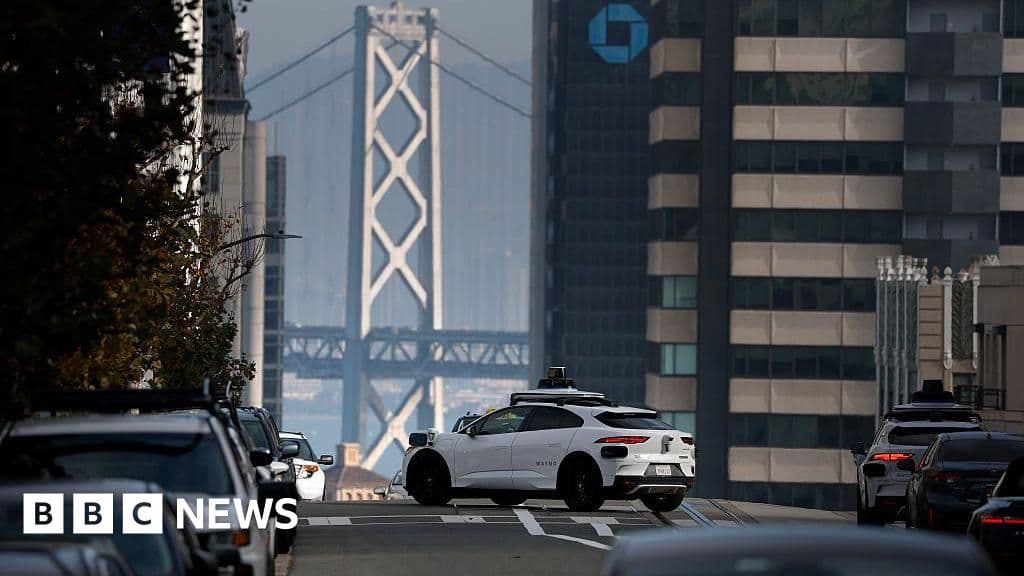
California Is About to Start Ticketing Driverless Cars—Here's What That Actually Means
California is preparing to issue traffic citations directly to autonomous vehicles operating without a human driver—a policy change that sounds simple on the surface but cuts to the heart of one of the trickiest legal puzzles of the self-driving era. The state's move forces a long-overdue reckoning with a question regulators have largely sidestepped: when a robot breaks the law, who is responsible?
What California Is Actually Doing
Under the new enforcement approach, law enforcement officers can cite an autonomous vehicle itself when it commits a traffic violation—running a red light, blocking an intersection, failing to yield. The citation attaches to the vehicle's registered owner, which in most cases is the company operating the fleet, such as Waymo or Zoox.
This is a meaningful departure from the previous gray area, where officers encountering a driverless vehicle committing an infraction had few practical options. Pulling over a car with no one in it creates an obvious procedural problem. California's framework gives officers a documented path forward.
Key details of the policy:
- Citations go to the registered owner—typically the AV company, not a passenger
- Officers can still stop and interact with an AV through built-in remote communication systems
- Companies are expected to respond to citations and can contest them through standard legal channels
- The California DMV retains authority to suspend or revoke an AV operator's permit for repeated violations
Why This Matters Beyond California
California is home to the most active autonomous vehicle testing and commercial deployment programs in the world. What happens here tends to shape national and even global policy. A few reasons this enforcement shift carries real weight:
It creates corporate accountability. When a human driver gets a ticket, there are personal consequences—points on a license, insurance impacts, potential license suspension. Attaching citations to AV operators means companies can accumulate records of violations, which regulators can use as grounds to restrict or revoke operating permits. That's a genuine lever.
It pressures companies to improve compliance. Waymo and others have argued their vehicles are statistically safer than human drivers, and the data broadly supports that for serious crashes. But minor traffic law compliance—the kind of slow rolling stops, aggressive lane changes, and intersection blocking that frustrates pedestrians and other drivers—has been a documented friction point in cities like San Francisco.
It sets a legal precedent. Courts and legislatures across the country are still figuring out liability when autonomous systems cause harm. A citation framework that treats the operating company as the responsible party nudges that conversation in a specific direction: toward corporate, not individual, accountability.
The Unanswered Questions
The policy is a step forward, but it leaves some genuinely hard problems unsolved.
- Fines alone may not deter large companies. A $500 traffic fine is trivial to a well-funded AV operator. Critics argue the real enforcement teeth have to come from permit revocation authority, not citation fees.
- Data access is still contested. When an AV commits a violation, who gets to see the vehicle's logs, sensor data, and decision records? That transparency question matters enormously for fair adjudication.
- Passenger liability is murky. If a paid passenger is in the vehicle during a violation, do they bear any responsibility? Current frameworks say no, but edge cases will emerge.
California's willingness to treat autonomous vehicles as accountable actors—rather than novelties operating in a legal vacuum—is the right instinct. The details will be litigated, literally and figuratively, for years. But the era of driverless cars getting a free pass on traffic law is ending, and that's a reasonable place to start.