Meta Fires Workers Who Reported Seeing Ray-Ban Smart Glasses Used to Film Sex Acts
Meta is embroiled in a significant controversy after the company reportedly dismissed employees who raised internal alarms about the misuse of its Ray-Ban Meta smart glasses. The workers say they witnessed the devices being used to covertly record sexual activity—and claim they lost their jobs shortly after speaking up.
What Happened
The dismissed employees allege they observed co-workers using Ray-Ban Meta glasses—Meta's AI-enabled wearable cameras, developed in partnership with EssilorLuxottica—to film intimate acts without the subjects' consent. When they reported what they saw through internal channels, they say the response from Meta was termination rather than investigation.
Key details of the situation:
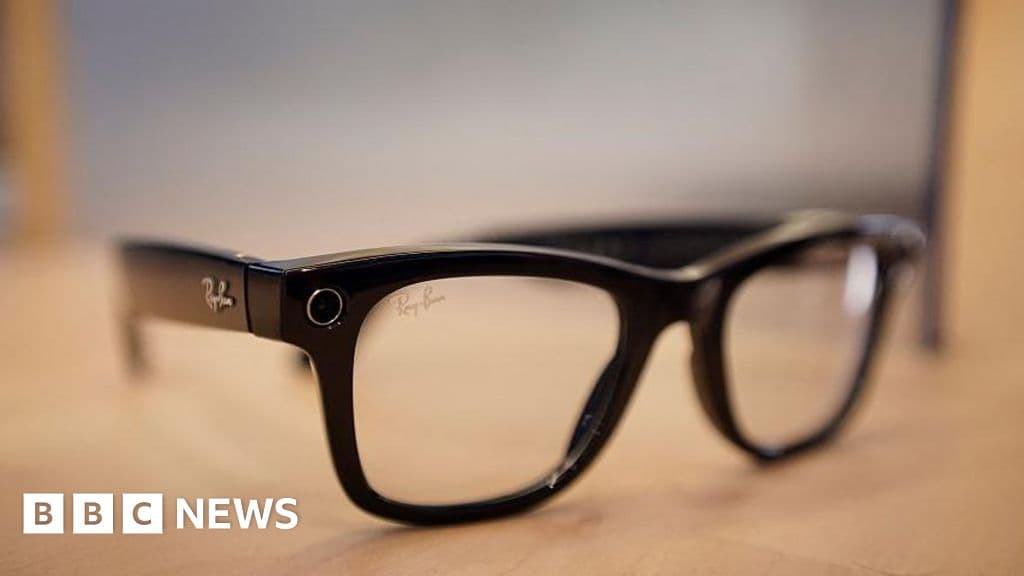
- Ray-Ban Meta glasses feature a built-in camera that can record video and photos, often without obvious visual cues to bystanders
- The firings have prompted questions about whether the employees were let go as retaliation for whistleblowing
- Meta has not publicly confirmed the specific details of the terminations or the alleged incidents
- The controversy adds to a growing body of concerns about the covert recording potential of smart glasses in public and private spaces
Why This Matters Beyond the Headlines
This incident cuts to the heart of a debate the tech industry has avoided addressing seriously: smart glasses create a near-invisible surveillance capability, and neither employers nor lawmakers have caught up.
Unlike a smartphone pointed at someone, Ray-Ban Meta glasses look like ordinary eyewear. The camera indicator light—a small LED—can be subtle or even obscured. Harvard students demonstrated last year how the glasses could be used to identify strangers in real time by pairing them with facial recognition tools, a proof-of-concept that alarmed privacy advocates.
For workers specifically, several issues compound the problem:
- Whistleblower protections in the U.S. vary widely by state and industry, and internal corporate reporters often have limited legal cover
- Meta's internal reporting mechanisms are under scrutiny—if employees who flagged potential crimes were fired, that raises potential legal liability
- The #MeToo-era standard that companies must take sexual misconduct reports seriously is being tested in a new technological context
The Bigger Picture for Wearable Tech
Ray-Ban Meta glasses are a flagship product for Meta's broader hardware ambitions. The company has invested heavily in positioning them as a mainstream consumer device—functional, fashionable, AI-powered. But incidents like this expose a gap between the product's marketing and the ethical frameworks needed to govern its use.
Regulators in the EU have been more aggressive about wearable camera oversight, but in the U.S., no federal law specifically governs covert recording via smart glasses in most semi-private or workplace settings. That legal vacuum is exactly what makes this case so combustible.
If the fired employees pursue legal action—and employment attorneys have suggested they may have grounds under retaliation statutes—Meta could face a highly public reckoning over both product design and internal culture at a moment when it's fighting to be taken seriously as a hardware company.
The central question isn't just what happened inside Meta's offices. It's whether companies building cameras into everyday objects have any obligation to prevent foreseeable misuse—and what happens to the people who speak up when they don't.