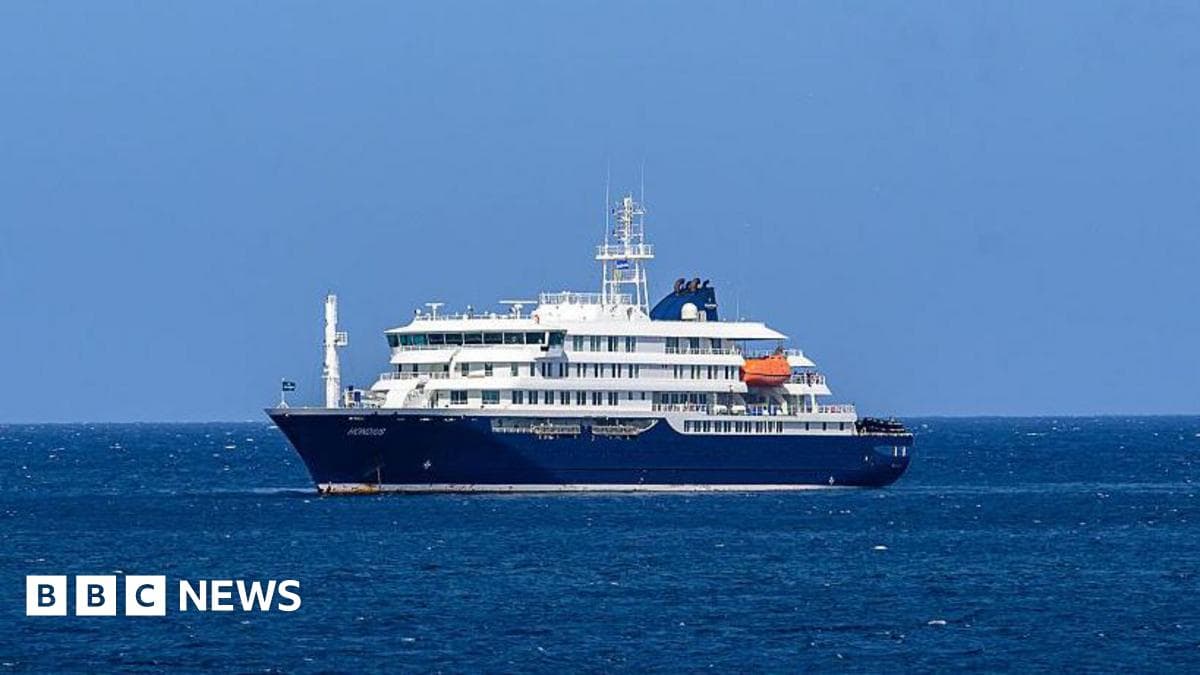
Three Dead in Suspected Hantavirus Outbreak Aboard Atlantic Cruise Ship
Three passengers have died aboard a cruise ship in the Atlantic in what authorities are investigating as a suspected hantavirus outbreak. The cases have alarmed public health officials because hantavirus—typically contracted through contact with infected rodents or their droppings—is not considered a contagious disease between humans, making a cluster of cases in a closed environment deeply unusual.
What We Know So Far
- Three deaths have been reported aboard the vessel, with investigators working to confirm hantavirus as the cause through laboratory testing.
- Hantavirus Pulmonary Syndrome (HPS) carries a case fatality rate of roughly 38%, making it one of the more lethal viral infections encountered in North America and Latin America.
- Health authorities are examining the ship's food storage areas, ventilation systems, and cargo holds for evidence of rodent infestation, which would be the most likely source of exposure.
- Passengers who shared spaces with the victims are being monitored for symptoms, which include fever, muscle aches, and rapid respiratory failure.
Why a Cruise Ship Outbreak Is So Alarming
Hantavirus does not spread from person to person—it spreads when humans inhale aerosolized particles from rodent urine, feces, or saliva. That makes a multi-person cluster on a single vessel a significant red flag. Possible explanations include:
- A shared contaminated space, such as a lower deck storage room, crew quarters, or food supply area where rodents have nested.
- Contaminated food or surfaces that multiple passengers came into contact with during the voyage.
- The close, recirculated air environment of a ship could theoretically amplify aerosol exposure in confined spaces.
Cruise ships have documented histories of pest control challenges. Ports of call in regions where hantavirus is endemic—particularly parts of South America and the American Southwest—could introduce infected rodents into a vessel's ecosystem.
What Hantavirus Actually Does
Hantavirus Pulmonary Syndrome progresses in stages:
- Early phase (days 1–5): Fatigue, fever, and muscle aches, often mistaken for flu.
- Cardiopulmonary phase: Lungs fill with fluid rapidly; patients can deteriorate within hours.
- Outcome: There is no specific antiviral treatment. Supportive care—particularly early mechanical ventilation—is the primary intervention.
The speed of progression is what makes HPS so dangerous. By the time patients recognize something is seriously wrong, critical deterioration may already be underway.
What Happens Next
Authorities are expected to conduct a full environmental investigation of the ship, and remaining passengers may face health screening before disembarkation. If hantavirus is confirmed, it would be an extraordinarily rare maritime public health event—and one that will likely prompt renewed scrutiny of pest control standards across the cruise industry.
For now, anyone who was aboard the vessel and develops flu-like symptoms, especially difficulty breathing, should seek emergency medical attention immediately and inform providers of potential hantavirus exposure.